Web Development
WorkOS
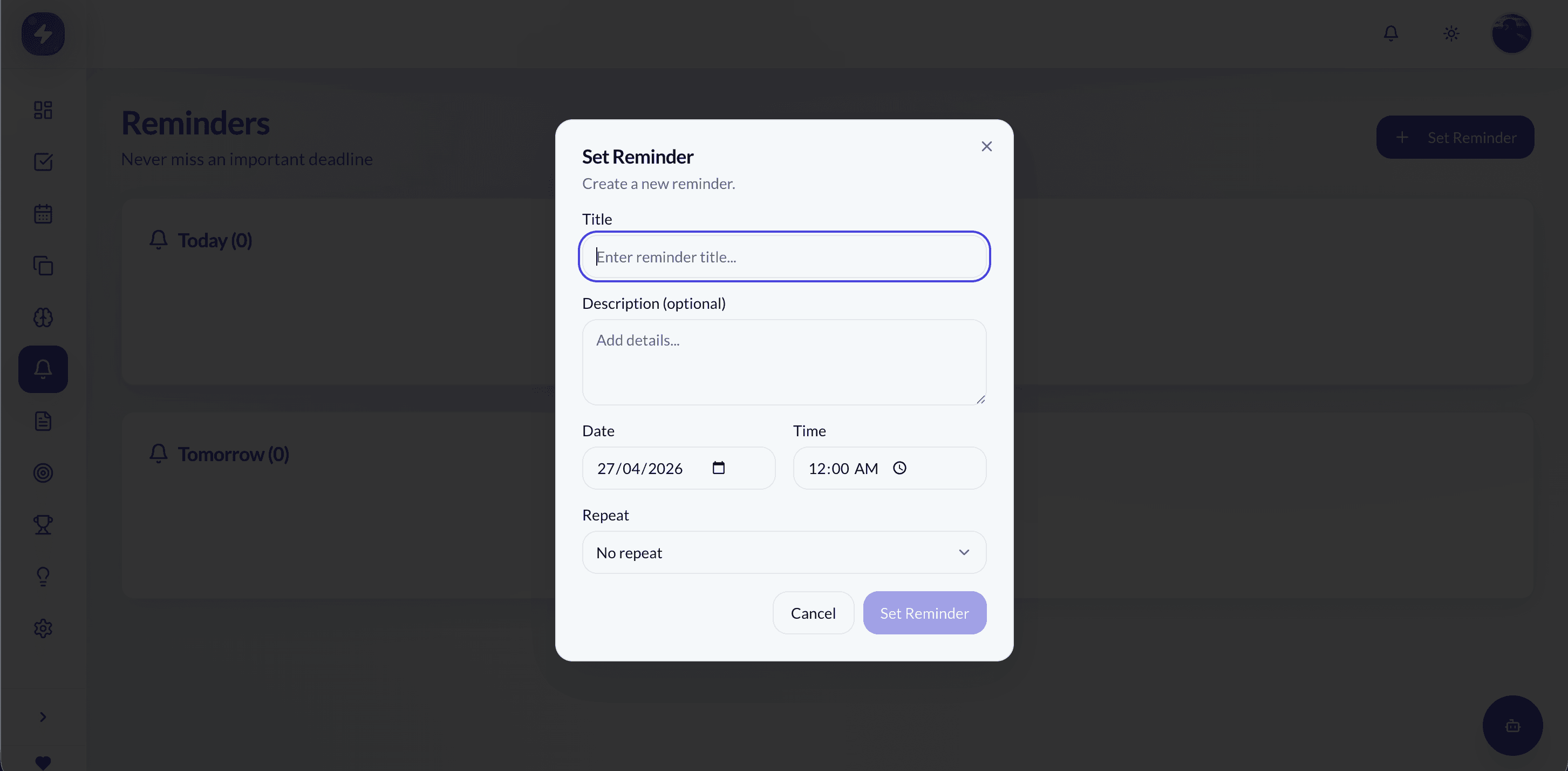
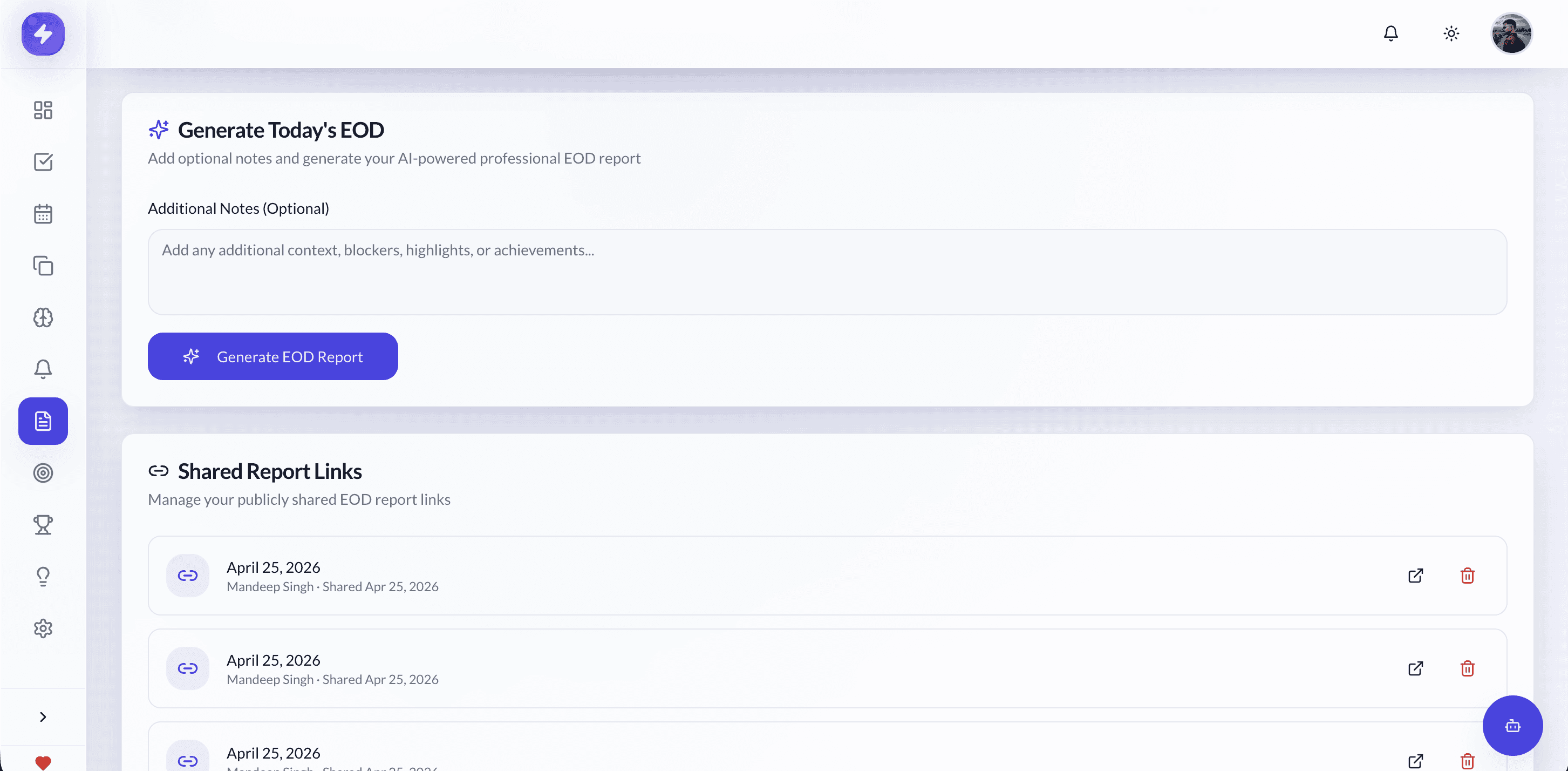
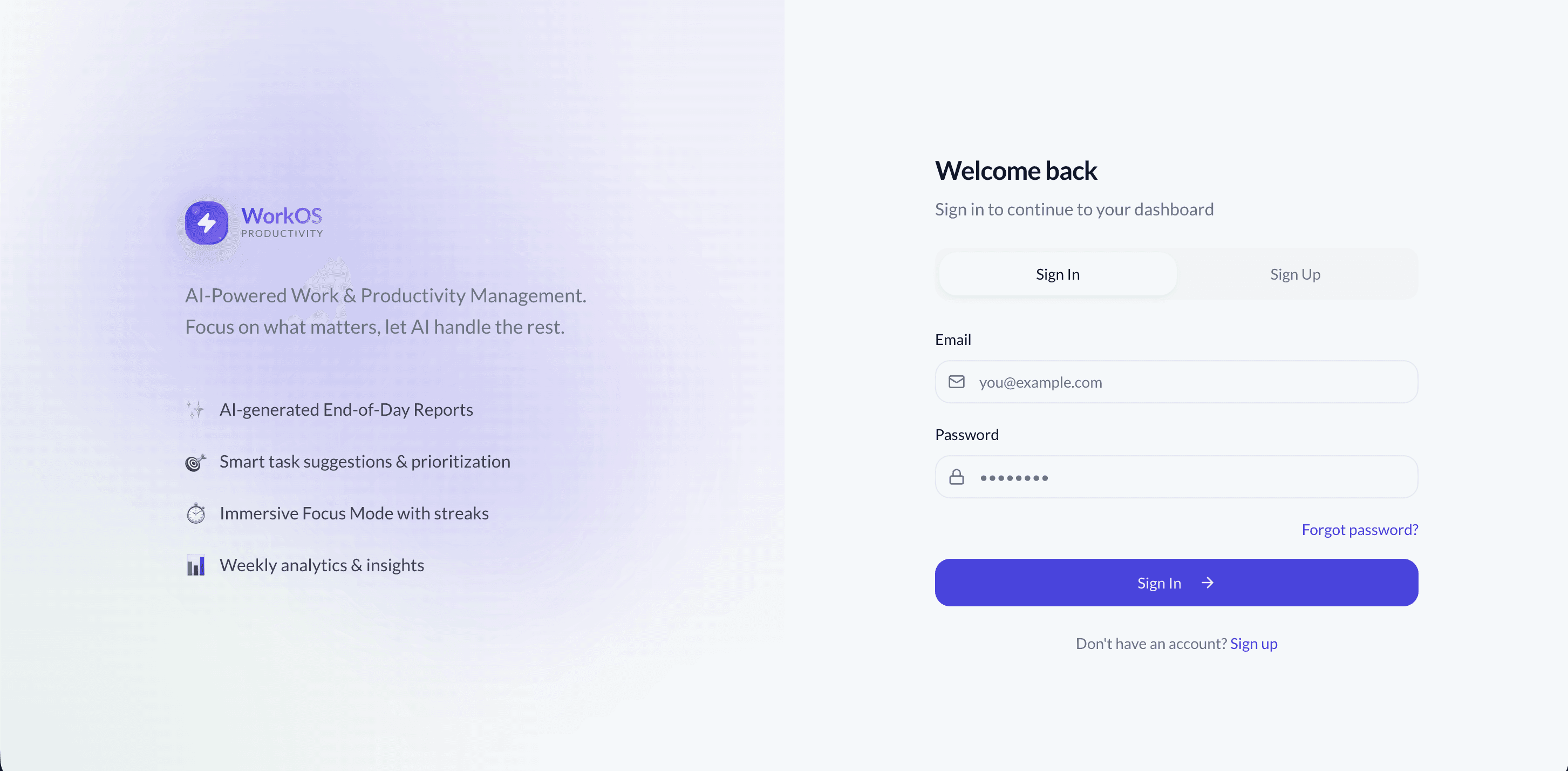
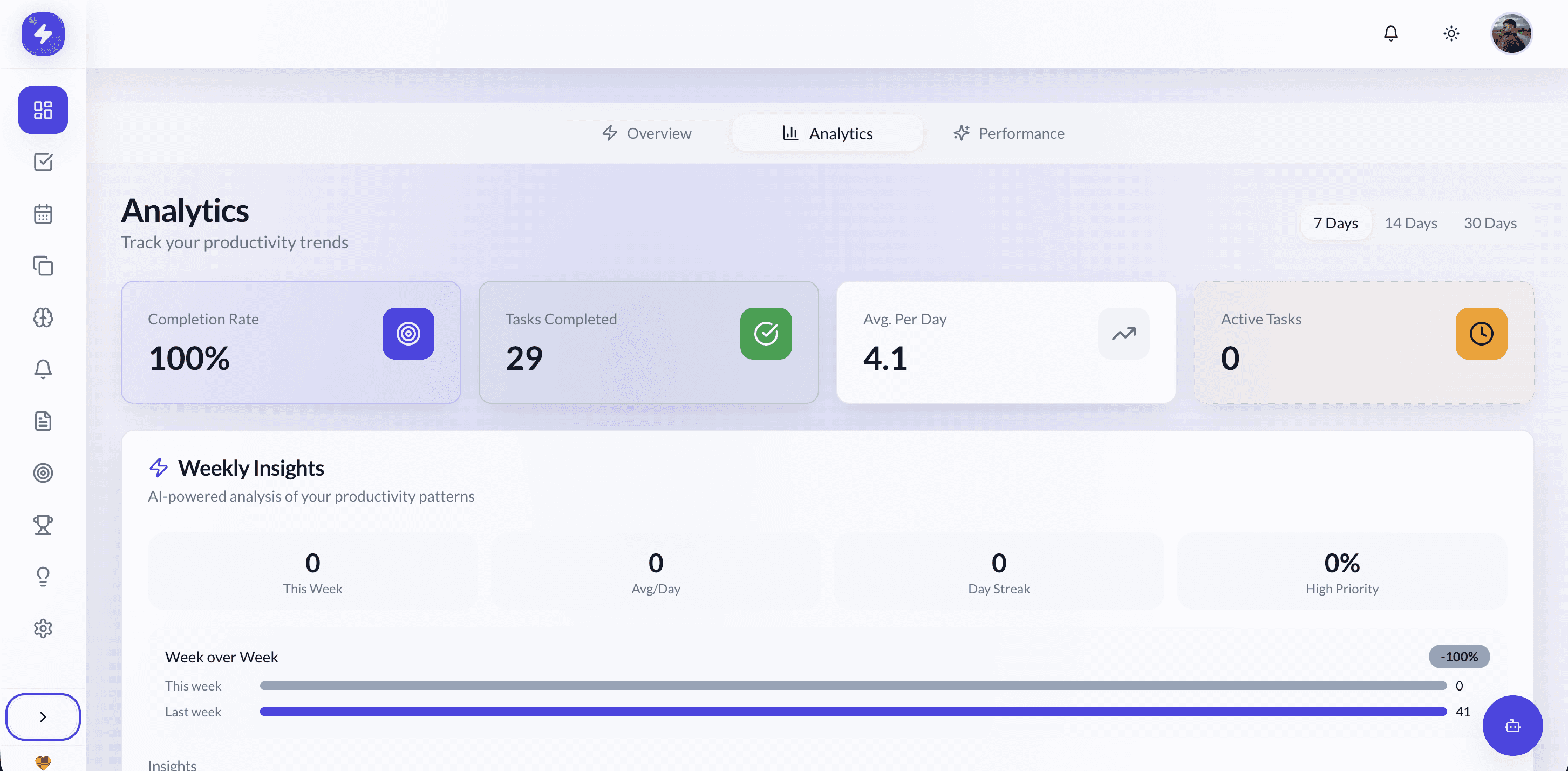
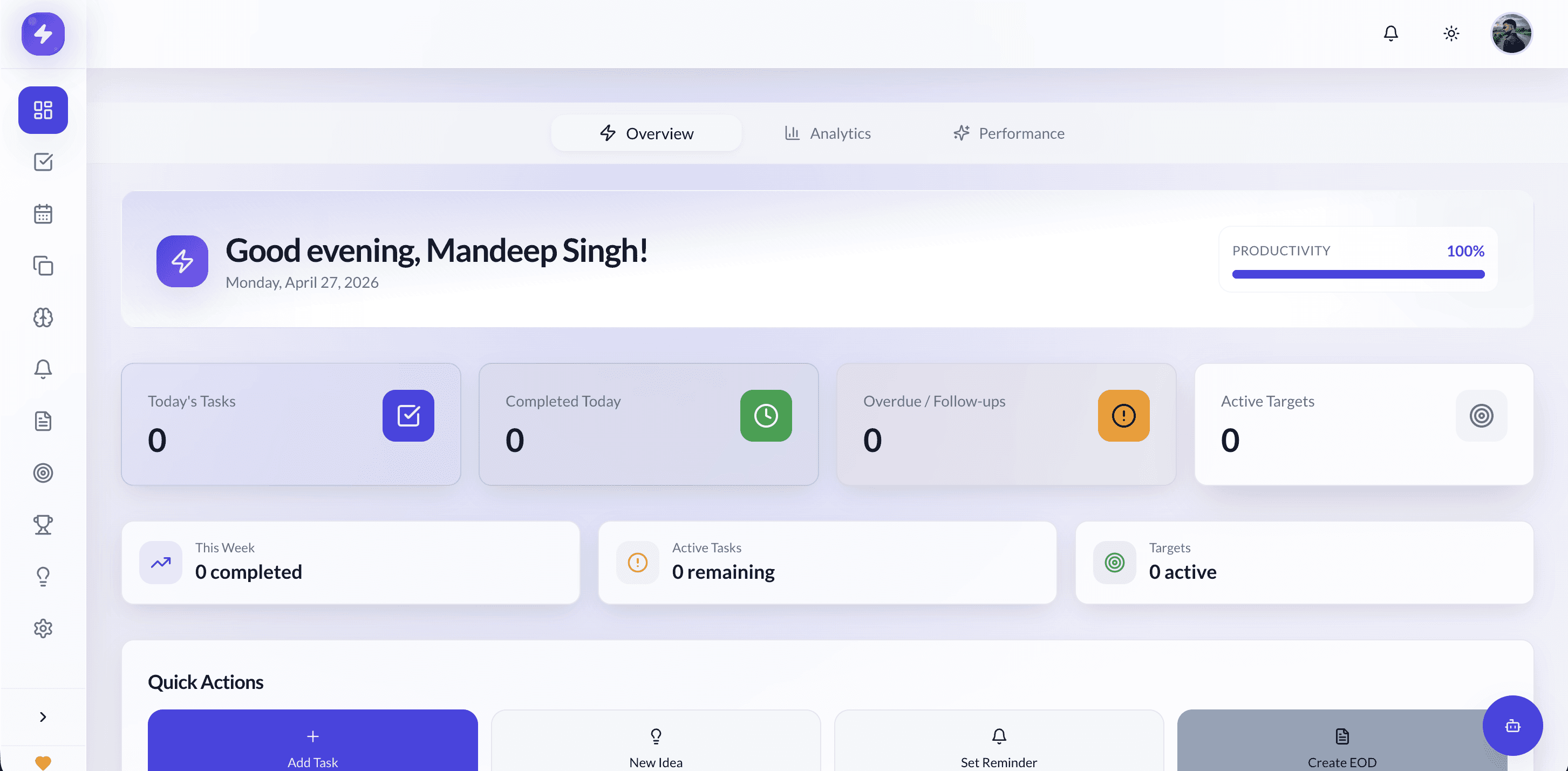
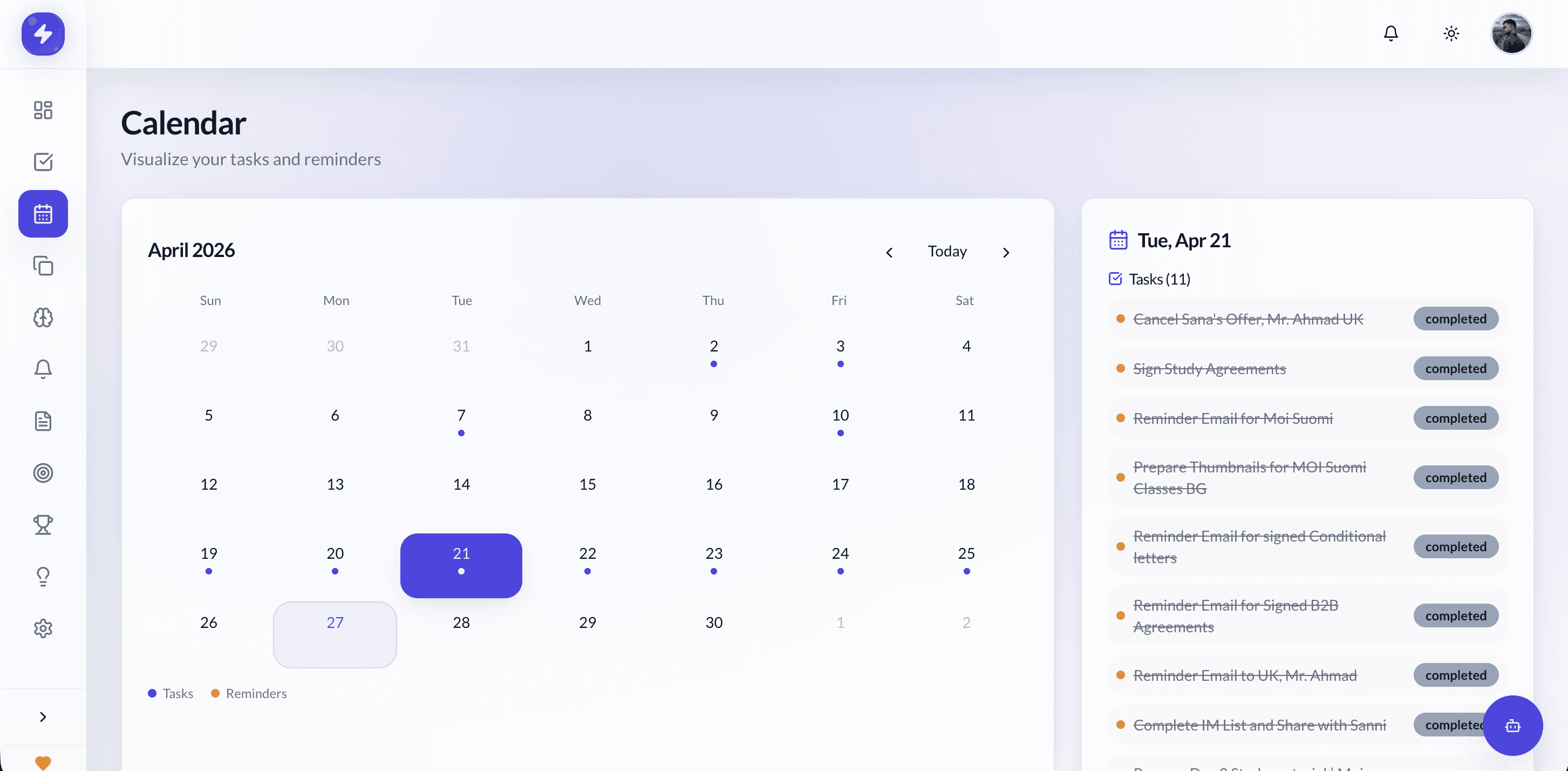
WorkOS is a modern, AI-powered Work Operating System designed to centralize task management, analytics, reminders, and productivity workflows into a single platform.
Year :
2026
Industry :
AI, Tech
Client :
Self Developed
Project Duration :
3-4 Months
Problem :
During the development of WorkOS, managing complexity across multiple interconnected features was a major challenge. Handling state efficiently and ensuring real-time data synchronization between the frontend and backend required careful planning, as inconsistencies or delays could directly impact user experience and system reliability.
Performance and scalability also became critical as the application started handling larger datasets, especially in analytics. Issues like slow rendering and heavy data loads required optimization techniques such as pagination and lazy loading. At the same time, evolving the database schema to support new features introduced migration challenges and added development overhead.
Additionally, maintaining a consistent UI/UX and ensuring full mobile responsiveness across all features required extra effort. As a solo developer, managing scope and avoiding feature overload was another key challenge, emphasizing the importance of focusing on core functionality while building a scalable product.
Solution :
To address the growing complexity of WorkOS, a structured approach to state management and data handling was implemented. Instead of relying on prop drilling, a centralized global state using Zustand was introduced, which simplified data flow and improved maintainability. For real-time synchronization, Supabase’s real-time subscriptions were combined with efficient data fetching strategies to ensure the UI always reflected the latest state without unnecessary refreshes. This helped eliminate inconsistencies and provided a smoother, more reliable user experience.
Performance issues were tackled by optimizing how data was loaded and rendered. Techniques such as pagination, lazy loading, and query optimization were applied to handle large datasets efficiently, especially in analytics dashboards. The database schema was also refined to better support evolving features like goals and event tracking, with careful migration planning to maintain data integrity and avoid disruptions during updates.
On the design and product side, a consistent design system was established using reusable UI components and Tailwind CSS, ensuring uniformity across all pages. A mobile-first approach was adopted to guarantee responsiveness across devices. Additionally, strict prioritization of features helped control scope, allowing focus on building a stable and scalable core product before expanding further.
Challenge :
Key challenges during WorkOS development included managing complex state across multiple interconnected features, ensuring real-time data synchronization without inconsistencies, and maintaining performance while handling large datasets. Additionally, evolving the database schema, handling authentication securely, and keeping the UI consistent across all screens required continuous effort.
On top of technical challenges, maintaining mobile responsiveness and controlling feature scope as a solo developer were significant hurdles, making it essential to balance speed, quality, and scalability.
Summary :
WorkOS is a comprehensive work operating system designed to unify task management, reminders, analytics, and AI-driven insights into a single platform. It was built to solve the problem of fragmented productivity tools by providing a centralized system where users can plan, execute, and track their work efficiently. Using a modern tech stack with React, TypeScript, Vite, and Supabase, the platform delivers high performance, real-time updates, and a seamless user experience across devices.
Throughout development, several challenges such as complex state management, real-time data synchronization, performance optimization, and evolving database design were encountered and addressed with scalable solutions. The final outcome is a fast, responsive, and feature-rich application that significantly reduces manual work, improves productivity, and offers data-driven insights, making WorkOS a strong foundation for a scalable SaaS product.